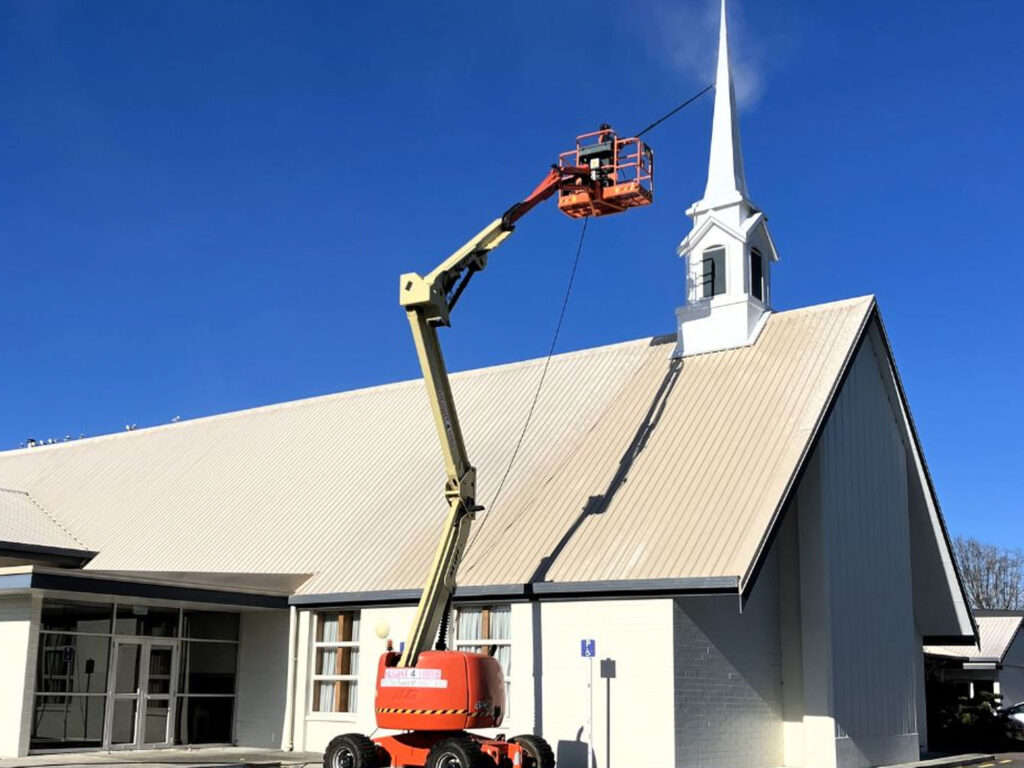
Moss, mould and lichen growth on residential and commercial buildings is more than a cosmetic issue. In New Zealand’s damp, coastal and humid climate, these organisms thrive on roofs, cladding, concrete, timber and interior surfaces where moisture is present.
Left untreated, they spread quickly, impacting both the appearance and long-term performance of your building.
Why Moss, Mould and Lichen Are a Serious Issue
Warm, damp conditions create the perfect environment for biological growth. Once moisture enters or settles on a surface, moss, mould, mildew and lichen begin to form and expand.
If not addressed early, this can result in:
Surface staining and permanent discolouration
Deterioration of paint coatings and waterproof membranes
Timber rot and substrate breakdown
Blocked gutters and drainage systems
Increased moisture retention in roofing materials
Health risks associated with airborne mould spores
In commercial environments, visible mould or lichen can also affect brand perception and compliance standards.
New Zealand properties are particularly vulnerable due to high rainfall, coastal exposure, shaded areas and fluctuating temperatures. Preventative maintenance is essential.
Structural and Health Risks
Mould and moss retain moisture against surfaces, accelerating material degradation. Over time, this can:
Compromise roofing systems
Shorten the lifespan of exterior coatings
Cause cracks and leaks in building envelopes
Lead to internal dampness and insulation damage
Internally, mould spores can contribute to respiratory irritation and poor indoor air quality, particularly in poorly ventilated spaces.
Professional Removal and Treatment
Professional treatment ensures safe, effective removal without damaging the underlying surface. This typically involves:
Inspection to identify the source of moisture or leaks
Safe removal of moss, mould and lichen
Surface cleaning and preparation
Application of preventative treatment to inhibit regrowth
Gunac | Waterproofing Specialists can also identify potential waterproofing failures, membrane weaknesses or leak entry points that may be contributing to recurring biological growth. Addressing the root cause reduces the likelihood of future damage.